


Heart Rate Training - Target Heart Rate Training Zone to burn Fat
| | |
How to Use Heart Rate Training Effectively
Heart Rate Training using a heart rate monitor or manual method is the quickest and most reliable way to train for in your Target Heart Rate Zone.
Professional athletes use it, top athletic coaches use it and now so can you. Its called a Heart Rate monitor and will help you a long way in training in your target zone training workouts. I will also explain how to train in your Heart Rate Zone even without a monitor!
In this article I will show you how to use your own Heart Rate to monitor your fitness workouts, track progress of your workouts and make sure your training burns fat and gets your heart fit.
Burn fat, lose weight and get fitter with Heart Rate Training now!
In this Article
Target Heart Rate
Weight Loss Training Zones
Heart Rate Training Zones for Athletes
FIVE TIPS FOR GETTING STARTED RIGHT AWAY WITH HEART RATE TRAINING
What is Heart Rate Training?
Heart rate training is a workout regimen in which you exercise in such a way and at such a level that you reach and sustain your target heart rate for much of the workout time.
Heart rate training is intended to strengthen the muscle that is your heart, and in so doing cause the body to use oxygenated blood more efficiently and get more of it to your cells. This stimulates an increased metabolic rate, something desired by athletes in training as well as people seeking to lose weight without starving themselves to death.
Needless to say, you will need to know what your target heart rate is for doing heart rate training.
The easiest way to find your target heart rate is take the number 220 if you are male or the number 226 if you are female and from this number subtract your age. The resulting number is your maximum heart rate (measured in beats per minute).
Target Heart rate = 220 minus your age in years for men and 226 minus your age in years for women.
If you don't want age to be as much of a factor, you can use the somewhat more complex and goal-specific Karvonen Formula.
Once you know your maximum heart rate, you need to decide what training zone you are in (your training zone is defined by your personal heart rate training goals).
Weight Loss Training Zones
If you are engaging in a heart rate training regimen to lose weight, then your training zone will be one of the lowest two.
The first training zone is the Healthy Heart Zone. In this zone, you are more interested in just losing weight and feeling more energetic. Take your maximum heart rate and multiply that number by 50 to 60 percent (.50 or .60). The result is the heart rate, or number of beats per minute, that you want to get your heart rate up to in your workout. This zone is ideal for novice heart rate exercisers and for people who have gotten way out of shape and are re-training, and it has a low risk of injury. You want to sustain this heart rate for about 12 minutes.
The next level up from the Healthy Heart training zone is the Fitness Zone. This zone has similar goals to the Healthy Heart Zone but you are now seeking to actually get more fit, not just lose or keep off weight, so there is some more intensity to the workouts. Your target heart rate in this zone is 60 to 70 percent of your maximum heart rate. (Multiply your maximum heart rate by .60 or .70). You want to sustain this heart rate for 20 minutes.
Heart Rate Training Zones for Athletes
If you are already fit and are now getting involved in a sport or you wish to improve your athletic performance in your sport(s), you will be in one of the three higher heart rate training zones. In the lower two, your goal is to sustain the target heart rate for 30 to 60 minutes.
The lowest of these three is the Aerobic Zone. In the Aerobic Zone, the goal is to increase your endurance, meaning you can perform a physical task such as distance running at a high level for a longer period of time before you become winded or "burned out" and have to slow down or stop. In the process of increasing your endurance, you will strengthen and actually enlarge your heart (an enlarged heart can take in and pump out more blood per beat). The target heart rate in this zone is anywhere from 70 to 80 percent of your maximum heart rate.
In this and the other athletic training zones, your body begins burning less fat for its caloric fuel (which means it will begin burning off protein, so that muscles get torn down--only to rebuild during rest and recovery, and in the rebuilding grow stronger than they were before).
The next level up is the Anaerobic Zone (aerobic means "with oxygen" and anaerobic is the opposite, meaning "without oxygen", referring to the amount of stress placed on the muscles during the workouts). The goals in this zone are to elevate what is called your VO2 maximum, which is the most oxygen you are capable of taking in during the workout (sometimes called your "heart rate reserve"), and increase your muscles' tolerance for lactic acid buildup (which naturally happens during higher level exercise) so that you will breathe better, have even higher endurance and strength, and make faster recoveries from becoming winded.
The highest training zone is called the Red Line. The heart rate goal here is 90 percent of or all of your maximum heart rate in order to reach for elite athletic performance. This workout is worked up to and then is only sustained for a short period of time such as two minutes. Only already well-trained athletes should even attempt to reach this goal, and the risk of injury is higher than in any other zone.
Your Ideal Heart Rate
Your ideal heart rate is what your target heart rate is if you base it on age and resting heart rate.
To get your resting heart rate, measure your heart rate upon first getting out of bed in the morning for three days in a row. Add all the numbers together and divide the total by three. This is considered to be your resting heart rate. (To measure your heart rate, place the tips of your index and middle fingers against your carotid artery on the side of your neck. Look at a clock or watch for exactly six seconds, counting the number of beats during that time. Then multiply the count by 10.)
Now take the number 220 (if male) or 226 (if female) and subtract your resting heart rate. Divide this difference by 2. Now add your resting heart rate back on to the resulting number. This number is your ideal heart rate.
Ideal heart rates are used to reduce the risk of serious injury or inducing heart attacks from doing workouts that your body isn't fit enough to handle. Depending on your fitness level and training zone, you may spend the bulk of your workout time at your ideal heart rate instead of a training zone's target heart rate.
Aerobics for Heart Rate Training
Aerobic fitness exercises are the perfect heart rate training exercises for the average person who wants to remain physically fit, energized, and looking her best without becoming a serious athlete. "Striding", jogging, running, stair climbing, bicycling, in-line skating, swimming, rowing, dancing, and playing racquetball or squash are the best aerobic exercises (aerobics classes are basically running-in-place and dance mixed together).
These are covered in the Best Aerobic Exercises Section.
A Brief note on Heart Rate Monitors
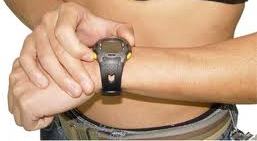
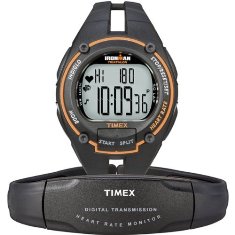
Some athletes and exercisers like to use electronic heart monitors to let them be more precisely aware of their heart rate level throughout their workout without having to be distracted by thinking about it or briefly stopping to take their heart rate.
Most of these monitors work by having an electrode placed on the chest, against the skin, during the workout, an electrode which is connected back to a small monitor worn typically on the wrist. The electrode sends electronic impulses to the monitor and the monitor displays the current heart rate. Some monitors can be programmed to give off a signal such as a beep when a target heart rate is reached or dropped out of. However, it is not necessary to heart rate training that you use a heart monitor.
FIVE TIPS FOR GETTING STARTED RIGHT AWAY WITH HEART RATE TRAINING
Learn more about How to use and Train with your Heart Rate Monitor Here.
1. Consult your doctor to see what training zone you should begin with.
2. Look into hiring a fitness coach to help encourage as well as push you.
3. Choose the exercises or sports that seem the most interesting to you and that you want to begin with and do some background reading about them. If you are a workout novice, the best things to begin with are striding, jogging, or bicycling. Also research energy-rich diets.
4. Once you have chosen your workout regimen, write out your workout schedule for at least the next month and commit to sticking to it barring emergency. If you are a beginner, you want to do your workouts three times a week for at least 20 minutes at a time. Once you are more advanced you want to do your workouts five or more times per week for up to an hour or maybe even longer.
5. Always make sure you stretch thoroughly before you begin any workout to diminish the risk of injury and to increase your muscles' power through greater elasticity.
ExerciseGoals.com RecommendsTurbulence Training - Quick Fat Burning Workouts
Time efficient Research Proven Workouts that boost Muscle Growth and Blowtorch Body Fat.
Related Aerobic Training Articles
Have A Tip on Heart Rate Training?
Do you have a great story about Heart Rate Training? Share it!
What Other Visitors Have Said About Heart Rate Training
Click below to see contributions from other visitors to this page...
Zone One Target Heart Rate | How to Determine Zone One Target Heart Rate Not rated yet
Target Heart Rate Training can be confusing for newbies. Here are simple ways to determine your Zone One to Five Target Heart Rate for Training .
…
Common Heart Rate Training Questions and Answers
1. What should my heart rate recovery to before I restart my workout with interval training?
This really varies from person to person and the goals sought. For the average person, it may be best to allow the recovery to lower to well below the fat burning stage before picking up the pace again to enhance the impact of interval training.
2. How often should you train to your maximum training heart rate per week?
Athletes will do this for four or more days per week. Honestly, those that are not in serious endurance training may wish to stay away from the maximum heart rate training period completely since it ventures you into the anaerobic stage which can be a little risky.
3. How high should your heart rate be when interval training?
This depends on your particular weight and age as well as your fitness goals. Some may wish to use the monitor to burn fat and this means they need to reach 140 beats while someone else with the same goals may need to reach 160 beats.
4. How to compute training heart rate?
This is done by using a free online calculator. Yes, you could do this manually but if you want an accurate count, you need to use a calculator. You will need to determine your resting heart rate and plug that figure in along with your weight, sex, and age to determine which would be the various target heart rates to follow. Also check out Maximum Heart Rate Calculator for Exercise.
5. How long should you train at your maximum training heart rate?
The duration for this must be kept short because there are serious and dangerous risks associated with training at your maximum heart rate. Unless you are seeking to greatly increase endurance, there is no reason to train at this level. Those that do train at such high heart rates need to do so under proper supervision.
6. What is the formula training heart rate?
The Karvonen Formula refers to the following:
Figure out your resting heart rate (pulse at rest); maximum heart rate (only use a reliable calculator to figure this out); and them the heart rate reserve which is Maximum Heart Rate - Resting Heart Rate.
Here is where you get the formula:
Heart Rate Reserve multiplied by .85 and then add in Resting Heart Rate to get the Upper end of the training zone.
Heart Rate Reserve multiplied by .50 and then add in Resting Heart Rate to get the Lower end of the training zone.
7. What should my heart rate recover to before I restart my workout with interval training?
This can be different for different people but it may be best to allow your heart rate to drop down below the fat burning stage prior to entering into interval training program once again. Basically, you want to keep a heart rate from rising really high up to dangerous levels.
8. Why is finding your training heart rate important?
It allows you to hit your specific fitness training goals. There are target heart rates which will maximize fat burning and those hoping to burn a lot of fat should hit such levels. Safety is also another concern here. You need to know your maximum heart rate in order to avoid hitting it.
9. What is a healthy exercise heart rate?
This is a difficult question to answer because most people will have different target heart rates. That said, the riskiest of all heart rates would be the anaerobic stage as it can definitely present risks to those working out.
10. Should a person with an enlarged heart exercise?
An enlarged heart is a life threatening condition and answers to questions such as this need to be provided from an experienced cardiologist.
11. What is a safe upper limit for heart rate during exercise?
The safest heart rate would be a low one. The higher your heart rate climbs the more dangerous it becomes for you. Entering into the anaerobic stage can lead to serious adverse health risks which is why maximum heart rate needs to be avoided.
12. How to repair heart monitor on Schwinn recumbent exercise bike?
Unless you have specifically been trained to repair such a device then you need to stay away from trying. There are reliable repairmen the manufacturer can guide you towards which is a highly recommended step to take.
13. What does it mean when your heart rate increases fast during exercise?
It means the heart is beating faster to provide your body with the oxygen required to perform a high(er) intensity exercise. Some can take steps to maintain a certain heart rate in order to maximize fat burning potential or boost endurance levels.
14. Why doesn't a heart rate continue to increase during exercise?
Because you are upping the intensity of your exercise and your body needs more oxygen. The speeding up of the heart rate allows your body to compensate for the needed additional endurance to perform exercise.
15. How is exercise beneficial to the heart?
Exercise does a tremendous job in terms of helping to strengthen the heart. This allows the heart to become resistant to a host of diseases and other such adverse problems that can derive from a lack of overall physical fitness.
16. Is it better to exercise shorter time with higher heart rate or longer time with lower heart rate?
This depends on a number of factors. Those with limited time to workout will find it better to exercise shorter time with higher heart rate and those that have more time to workout can use the longer duration. That said, those hoping to develop a ripped and muscular physique will want to do the former no matter how much time they have.
17. Why must athletes exercise harder and longer to achieve a maximum heart rate?
Athletes are already in tremendous physical condition which means they have a lower resting heart rate. So, they have to workout a lot long and harder to reach the anaerobic stage. In short, they have to workout longer and harder since they are already in great shape.
18. How is heart rate affected by exercise?
When you exercise, your heart rate will increase because your will need more oxygen in order to effectively perform the exercises. This is just the body's natural endurance response to exercise.
19. What causes heart rate to drop suddenly then elevated during and after exercise?
This is low blood pressure and a sudden drop in blood pressure during exercise could be indicative of a heart problem. See a physician to be sure of your current heart health.
20. What happen to your heart rate during exercise and sport?
Heart rate increases to provide the proper amount of oxygen required to perform the tasks at hand during an exercise that requires endurance.
21. What is significance of high heart rate post exercise even after a rest period?
It could be a good thing in the sense that you have expedited your metabolism or it could mean a bad thing in the sense your blood pressure is not stabilized. It is possible the speed in which the heart is beating after an exercise session will determine the positive or negative impact. If any health concerns arise, see a doctor.
22. What is your ideal heart rate while you exercise?
This will depend on your age, your gender, your goals, and the type of exercise you are performing.
23. Which type of exercise is better for your heart?
Cardiovascular and aerobic exercises are the best for your heart since they engage the heart and make it a lot stronger.
24. Can exercise prevent heart disease?
Exercise can do a tremendous amount to prevent heart disease. Exercise makes the heart stronger and more resistant to disease and such ills.
Go Back to Top of Heart Rate Training Page
Go from Heart Rate Training to Weight Training Homepage.