Beating PCOS- but still need some help!
Hello,
I have been combating PCOS for the past six years and have managed so far to lose 35kg and develop a very strong and consistent low-carb, low-glucose and fairly low-fat diet. My biggest battle has been finding the right exercise plan for my particular condition. Unfortunately, a major symptom of PCOS is insulin resistance, which means my muscles are constantly being eaten away, while fat continues to be stored in its place. So far I have tried all of these different forms of exercise:
-Weight training on a circuit with high weights, low reps (I have bad knees and I found this to have little effect on loosing fat, however it did damage my knees further)
-exercise bike (to build up my muscles in my knees after the damage was done)
-Fast-pace walking
-jogging 2.5km every second day (once my knees were ok again)
-swimming 1 km three times a week
I have been doing some research and have found that doing weight work is very important for insulin resistance, as well as the cardio work, however I have been a little bit reluctant to start this again after the first time I used the gym and did high weights with low reps. I also find that if my routine is too strenuous, my blood sugar levels drop too quickly and I end up fainting. As I cannot have sugar, carbs and glucose it is difficult to take an energy supplement after or during exercise.
I was wondering if anyone could provide me with some tips about how I could improve my exercise routine and what particular weight training I should do? I've lost most of my excess weight and am now just looking at toning as my last step to victory! Please help if you have any ideas....
How does Exercise Help Polycystic Ovary Syndrome
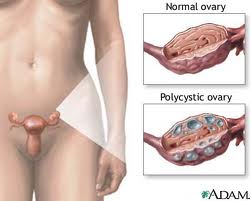
The endocrine disorder known as Polycystic Ovary Syndrome or PCOS for short affects about five to ten percent of the total female population of reproductive age and among those affected there is a prevalence of low infertility rates, obesity, irregular menstruation, acne and the prevalence of androgenic hormone production that gives these females a masculine features like increase in body and facial hair.
Apart from obesity that is well known to be associated with PCOS, insulin resistance and diabetes are also associated with these conditions. Other names associated with this
Management of Polycystic Ovary Syndrome and Exercise
PCOS is usually associated with obesity and insulin resistance and therefore at the centre of the treatment of this condition is to target methods and medications that help to reduce obesity and the level of insulin in the body.
The principal methods that are used are dieting and weight loss which have been shown to be quite effective in restoring normal ovulation and menstrual cycles. However as anyone that has attempted dieting and weight loss regimes, sustaining this process is not an easy one and this is where exercise comes in.
Exercises help the process of dieting and weight loss because when you exercise you actually create a calorie deficit, and help the process of dieting to go faster as well as to be more effective.
Moreover regular exercise has also been shown to help in balancing the hormone levels which helps combat the hairiness and also stabilizes the insulin levels.
Women with polycystic syndrome are several times more likely to suffer from strokes, heart attacks and associated cardiovascular diseases because the condition causes an increase in the level of bad cholesterol in the blood also known as LDL cholesterol. Regular exercise is one of the methods of combating the increase of LDL in the body and the increase of HDL or Good cholesterol.
How to Use exercise in combating PCOS
Many people give up exercising too early, or do not do their exercise properly in order to reap its benefits. The best way in not failing to follow through with your exercises is to make a number of commitments that are not difficult, that go incrementally and that fit into your regular schedule.
The place to start is to look at your daily schedule and see if you can put at least one hour a day or if not at least use your off days, or your weekends and have some hours of exercise. The greatest benefits are made when it is not a one off thing, but something that is done on a weekly basis. If you miss the days set aside for exercise, make a commitment to use another day.
Start your exercise slowly. Jogging, brisk walking, and using weights in resistance training can all be incorporated to your daily life with great effect.
Join in and write your own page! It's easy to do. How? Simply click here to return to Workouts.